

August 22, 2024
Vannamei Shrimp Farming Guide
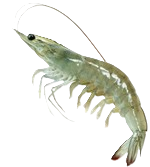
Vannamei shrimp (Litopenaeusvannamei) are a highly popular aquaculture species due to their global market demand, rapid growth rate, and adaptability to various farming conditions. Successful Vannamei shrimp farming requires a well-structured approach to ensure high productivity while maintaining environmental sustainability. Below is a comprehensive guide to Vannamei shrimp farming:
- Site Selection
- Water Quality: Select a site with access to clean, brackish water (salinity: 10–25 ppt). Ensure the water is free from pollutants and contaminants.
- Soil: Sandy clay or clayey loam soils with good water retention are ideal.
- Accessibility: The site should have good transportation access and be near feed suppliers and markets.
- Pond Preparation
- Pond Design: Rectangular ponds with a depth of 1.2–1.5 meters are ideal. Ensure proper water inlet and outlet systems for regular water exchange.
- Soil Treatment: Dry and till the pond bed to eliminate harmful gases. Apply lime (if needed) to neutralize soil acidity.
- Fertilization: Use organic or inorganic fertilizers to encourage plankton growth, serving as a natural food source.
- Seed Selection and Stocking
- Seed Source: Procure healthy post-larvae (PL10–PL15 stage) from certified hatcheries.
- Stocking Density: 10–15 shrimp per square meter for semi-intensive systems and up to 60–100 shrimp per square meter for intensive systems.
- Acclimatization: Gradually adjust shrimp to the pond’s salinity and temperature before stocking.
- Feed and Feeding
- Diet: Provide commercial feed containing 30–40% protein. Supplement with natural feed such as algae and plankton.
- Feeding Schedule: Feed 2–3 times daily and adjust based on shrimp growth stage and feeding activity.
- Water Quality Management
Maintain optimal parameters:
- Temperature: 26–30°C
- pH: 7.5–8.5
- Dissolved Oxygen:>5 ppm
- Ammonia:<0.1 ppm
- Regularly exchange 10–30% of pond water weekly to maintain quality.
- Health Management
- Monitoring: Regularly observe shrimp for signs of disease or stress, such as reduced activity or unusual coloration.
- Biosecurity: Ensure clean equipment and screen incoming water to prevent disease introduction.
- Treatment: Use antibiotics or chemicals only under veterinary supervision as a last resort.
- Harvesting
- Harvest shrimp after 4–6 months when they reach a marketable size (15–20 grams).
- Use nets or drain the pond for efficient harvesting.
- Handle shrimp carefully to avoid damage and ensure freshness.
- Post-Harvest Handling
- Wash shrimp thoroughly with clean water.
- Sort and grade based on size.
- Store immediately on ice or transport under cold conditions to preserve quality.
- Sustainability Practices
- Avoid overstocking to minimize environmental impact.
- Use eco-friendly feed and prevent overfeeding to reduce water pollution.
- Implement crop rotation or fallowing to allow pond ecosystems to recover.
By following these best practices, Vannamei shrimp farming can be both profitable and environmentally sustainable, meeting market demands while ensuring long-term productivity.