
August 22, 2024
- High Market Demand
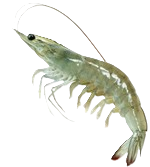
- Domestic Market:Vannamei shrimp are highly valued in the culinary industry for their mild flavor, texture, and versatility.
- Export Market: Many countries, such as the U.S., Japan, and EU nations, have a strong demand for Vannamei shrimp. They are widely exported and remain a preferred choice in international markets.
- Price Stability: Compared to other shrimp species, Vannamei shrimp are favored for their consistent size, reliable supply, and stable pricing, making them a preferred choice among buyers.
- Growth Rate and Yield
- Fast Growth:Vannamei shrimp grow rapidly, reaching marketable size (15–20 grams) in about 3–4 months.
- High Yield: Intensive and semi-intensive farming systems can produce substantial yields, with some farms achieving up to 10–15 tons per hectare per cycle.
- Revenue Potential
- Pricing:Vannamei shrimp typically sell for $4–$10 per kilogram in the global market, depending on size and quality.
- Cycle Length: Farmers can produce 2–3 crop cycles per year, maximizing annual output and profits.
- Profit Margins: After deducting operational costs (feed, labor, seed, maintenance), profit margins can range between 20% and 50%, depending on management efficiency.
- Job Creation and Livelihoods
Vannamei shrimp farming supports local economies by creating employment opportunities in hatcheries, farms, feed production, processing, and distribution.
Ancillary industries, such as ice plants, packaging, and transportation, also see significant benefits from shrimp farming activities.
- Export Incentives
Many governments offer subsidies, tax incentives, and infrastructure support to encourage aquaculture exports, making Vannamei shrimp farming a profitable and supported venture.
- Value Addition Opportunities
- Processed Products: Frozen shrimp, peeled and deveined shrimp, or ready-to-cook varieties add value and command higher market prices.
- By-products: Shrimp shells and heads can be processed into chitin and chitosan, used in pharmaceuticals, cosmetics, and agriculture industries.
- Challenges and Risks
While the potential for profit is high, several challenges must be managed:
- Disease Outbreaks: Can result in significant financial losses if not properly addressed.
- Environmental Concerns: Poor aquaculture practices can harm the ecosystem and reduce long-term productivity.
- Market Fluctuations: Prices depend on global supply-demand dynamics.
- High Initial Investment: Intensive farming setups require significant capital for pond construction, seed procurement, and advanced equipment.
- Sustainability and Certification
Adopting eco-friendly practices and obtaining certifications (e.g., ASC, GlobalGAP) enhances market access, ensures compliance with international standards, and helps command premium prices.